Table Of Content

Topical minoxidil is one of the best hair loss treatments for women, particularly those who have female pattern hair loss. It’s not yet clear how the magic happens, but researchers theorize that minoxidil reverses hair follicle shrinkage and lengthens the growth phase. This likely encourages hair to grow back fuller and speeds up the rate at which lost strands are replaced. It’s available over-the-counter—generically and under the brand name Rogaine—in both 2% and 5% formulations. Also known as androgenetic alopecia, female pattern hair loss (FPHL) will affect a whopping 40 percent of women by age 50, according to research.
Hormones
While your hair may regrow on its own, your dermatologist may recommend treatment to help it grow more quickly. Sometimes, treatment is essential to prevent further hair loss. It’s best to see a healthcare professional for any unexplained hair loss so they can determine the underlying cause and best course of treatment. There’s a range of treatment options for hair loss, but the best option for you will depend on what’s causing your hair loss.
Can Anti-Dandruff Shampoo Prevent Hair Loss? - Health.com
Can Anti-Dandruff Shampoo Prevent Hair Loss?.
Posted: Tue, 19 Mar 2024 07:00:00 GMT [source]
Child & Teen Health
To get an accurate diagnosis, it helps to see a board-certified dermatologist. These doctors have in-depth knowledge about the many causes of hair loss and experience treating the diverse causes. Over-the-counter (OTC) medications generally consist of topical creams, gels, solutions, or foams that you apply directly to the scalp. The most common products contain an ingredient called minoxidil. Tinea capitis, also called ringworm of the scalp, is a fungal infection that can affect the scalp and hair shaft.
Dermatologist shares product picks that can help regrow hair - TODAY
Dermatologist shares product picks that can help regrow hair.
Posted: Thu, 04 Apr 2024 07:00:00 GMT [source]
What are the best treatments for alopecia?
Baldness typically refers to excessive hair loss from your scalp. Hereditary hair loss with age is the most common cause of baldness. Some people prefer to let their hair loss run its course untreated and unhidden. Others may cover it up with hairstyles, makeup, hats or scarves.
Addressing shortfalls through diet and supplements: Does it help hair growth?
A healthcare provider will do a thorough examination and take a detailed history to understand changes in your hair growth. Your provider will also ask about what medications or supplements you currently take. ‘Traction alopecia is hair loss caused by repeated pulling or tension on the hair follicles. Tight hairstyles like braids, weaves, or ponytails are common culprits.

How Does Hair Grow?
Understanding the underlying cause of your hair loss is absolutely necessary in determining the best approach to halt and reverse any further damage to your hair and scalp. Minimize the use of high-heat styling tools, hair extensions and harsh treatments like perms. Avoid hairstyles like tight buns and braids that pull on your scalp, potentially causing traction alopecia. A variety of treatments have been developed to help regrow hair and thicken existing hair on patients with alopecia, dermatologists say. Their effectiveness largely depends upon what type of alopecia you have and how quickly you start treatment.
Therefore, “the best guidance is to ask questions and rely on trusted sources for scientific evidence and advice that is tailored to your individual need,” she instructs. With that in mind, consider these the serums worth trying to achieve your unique hair goals. CCCA and LPP fall under the umbrella of lymphocytic scarring alopecia.
With endless choices, it can be helpful to have a dermatologist guide you in selecting one. After 12 weeks of treatment, the patients treated with minoxidil and microneedling had significantly more hair growth. At-home treatments offer convenience, and you can buy many of them without a prescription. Because studies show that the following can help, your dermatologist may include one (or more) in your at-home treatment plan. Once your dermatologist has this information, it’s often possible to tell you what’s causing your hair loss. Effective treatment for hair loss begins with finding the cause.
Top doctors in ,
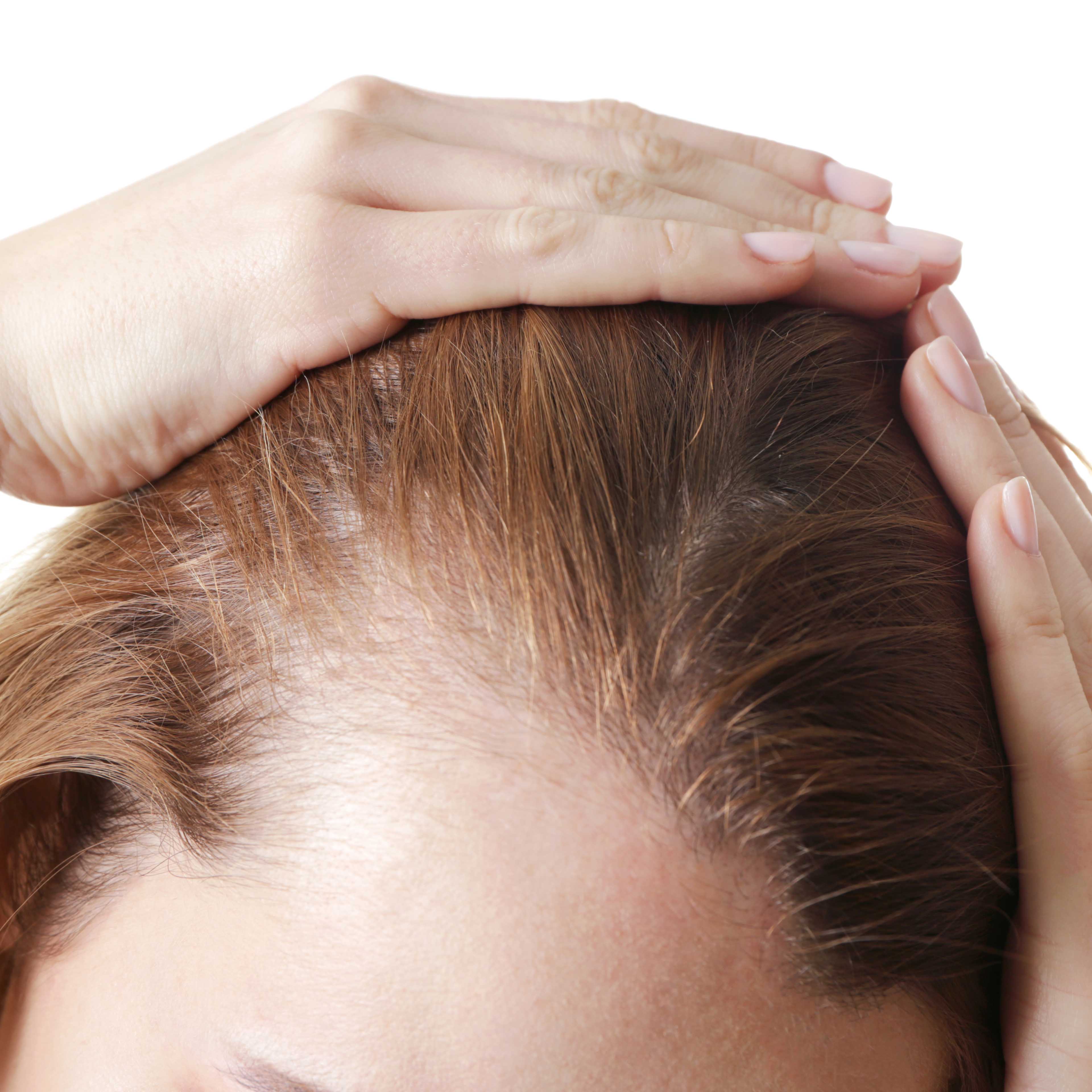
Female pattern baldness can affect anyone assigned female at birth. However, you’re more likely to have female pattern baldness if you have a family history of hair loss or after menopause. This is the name for hair loss caused by medications that harm your hair follicles. Radiation and chemotherapy treatments for cancer can be toxic to follicles, causing your hair to fall out within the first few weeks after you start treatment.
But there are risks, including infection or shock that can cause hair to fall out of the transplanted areas. Hair grows on almost all of your skin surfaces — not the palms of your hands, soles of your feet, lips or eyelids. The core reasons as to why this happens are ambiguous, but studies suggest a strong relation to unexpected stress as the trigger. This could be attributed to poor mental health or grief,’ says Dr Balwi.
Masculinizing hormone therapy (taking testosterone) may cause hair loss within a year, and the effects aren't reversible if you stop hormone treatment. Hair growth naturally slows with age, so you may notice thinning. If you think you have age-related hair loss, talk to your doctor about treatment early on.
Minoxidil (Rogaine) is the only drug approved by the Food and Drug Administration (FDA) to treat female pattern baldness. Not a hundred percent sure if the amount of hair you’re losing is normal? When you start to shed more strands — and fewer or none grow back — the condition is considered alopecia (hair loss). There are several types of hair loss, and it can affect adults of any gender and even children.
Spironolactone oral tablet may interact with other medications and supplements, including vitamins and herbs. If you’d like to try this medication for hair loss, a doctor or pharmacist can offer more guidance on whether it could work for you. You can also ask your doctor about oral minoxidil as a treatment for androgenetic alopecia. Hair loss in women is natural part of the aging process, with most women experiencing hair loss after menopause.
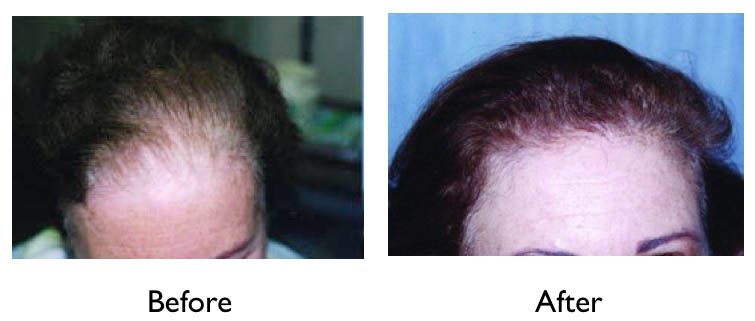
Regrowth continues for over a year, after which time it stabilizes. Minoxidil usually needs to be used long-term to prevent hair loss and promote hair growth. When the treatment is stopped, hair loss will begin again within 12–24 weeks. According to the American Academy of Dermatology, it’s completely normal to shed anywhere between 50 to 100 strands of hair per day. However, if you’ve noticed more strands falling out of your head than normal, you may be experiencing alopecia, the medical term for hair loss.
See your dermatologist if you notice this type of hair loss. The sooner you start treatment, the better the chances for hair regrowth. You're unlikely to lose all of your hair with female pattern baldness.



No comments:
Post a Comment