Table Of Content
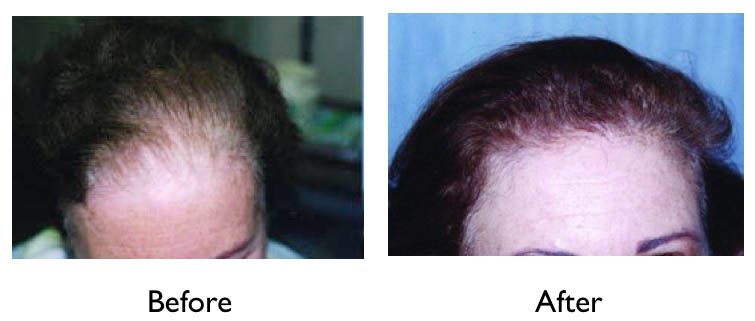
Traction alopecia is a type of hair loss that's brought on by the way you style your hair. Hairstyles like cornrows, braids, or tight ponytails can cause it. Some signs of traction alopecia include hair loss in patches where the hair was pulled and shorter strands of hair near the forehead. Pregnancy, and especially giving birth, can lead to hair loss.
Best for Dry Hair: Divi Scalp Serum
Your healthcare provider will help you find a treatment option that’s right for you. If finasteride works for you, you will need to keep taking it to continue getting results. Before taking this medication, be sure to discuss possible side effects with your dermatologist. While at-home treatments offer convenience, a procedure performed by a board-certified dermatologist tends to be more effective.

About Mayo Clinic
Approximately 30 million women and people AFAB in the United States have female pattern baldness. Minoxidil (Rogaine) is a topical medication (the type you apply to your scalp) approved by the FDA for female pattern hair loss. It's is available over the counter as 2% and 5% solutions. It takes about 6-12 months of this once-daily use foam treatment to see results.
Medications
They can help determine if you’re experiencing female pattern baldness or a different type of hair loss caused by other factors. Without proper treatment, female pattern baldness is permanent. Many people with female pattern baldness are comfortable with how they look and don’t seek treatment. However, your healthcare provider can help slow or replace your hair loss.
Hair Disorders: Finding the Root of the Problem - Medscape Reference
Hair Disorders: Finding the Root of the Problem.
Posted: Thu, 07 Dec 2023 08:00:00 GMT [source]
Results are variable, and it is not possible to predict who may or may not benefit from treatment. In some cases, the cause of hair loss is obvious — for example, if you're losing hair while going through chemotherapy. Other times, your healthcare provider will need to do some detective work to figure out what’s causing your hair loss. The FDA has approved a few laser treatment devices to treat hair loss at home. But we need more studies into their safety and effectiveness for long-term use. Sometimes hair loss is a sign of a condition called hyperandrogenism, which happens when your body makes too many androgens (male hormones).
Healthy Eating
Get instant access to members-only products and hundreds of discounts, a free second membership, and a subscription to AARP the Magazine. The mode of inheritance is polygenic, indicating that there are many genes that contribute to FPHL, and these genes could be inherited from either parent or both. Genetic testing to assess the risk of balding is currently not recommended, as it is unreliable. There are groups around the country where you can meet and socialise with other people with alopecia. Ideal for those with fine or fragile hair or a sensitive scalp, this soothing shampoo is free of dyes, parabens, and sulfates. Jokes aside, the list of causes is lengthy and complicated.
Over time, if not treated early, the size of the patch or patches will increase and fill with pus. This type of hair loss typically resolves on its own once the underlying cause is addressed. If your hair loss results from medication, hormonal imbalances, thyroid disease or diet, your provider will address the cause. Correcting the underlying problem is often all that’s needed to help stop hair loss. If you lose significant hair, it’s important to protect your scalp. Wear a hat, scarf or other head covering when you’re in the sun, and apply sunscreen daily.
Topical minoxidil can also help stimulate hair regrowth and promote healthier follicles, Dr. Mitchell adds. Before trying it, though, she recommends enlisting the help of a dermatologist, who can determine which concentration and dosage is right for you. Friction-induced folliculitis might require nothing more than laying off the hairstyling practice that triggered it until you’re fully healed.
Treating female pattern hair loss
However, your best bet if you’re suffering from hair loss is to see a board-certified dermatologist who can determine what’s causing your alopecia and then recommend a treatment plan. By contrast, scarring alopecia, another autoimmune disease that causes hair loss, is often accompanied by itchiness, tenderness and scaling of the scalp. Scarring alopecia is the most devastating type of hair loss, Mirmirani says, because it permanently destroys the hair follicles. Treatments are available for FPHL although there is no cure. It is important to manage expectations when seeking treatment, as the aim is to slow or stop the progression of hair loss rather than to promote hair regrowth. However, some women do experience hair regrowth with treatment.
Your shorter hairs — like eyelashes, arm and leg hair, and eyebrows —have a short anagen phase (about one month). Your scalp hair can last up to six years or even longer. Several serious diseases also attack the hair follicle, says Robert Brodell, a dermatologist at the University of Mississippi Medical Center. Hair loss, or alopecia, affects more than 80 percent of men and 50 percent of women, and the risk increases with age. DermNet does not provide an online consultation service.
But without treatment, symptoms may get worse over time. Hair loss caused by stress or hormonal changes, like pregnancy or menopause, may not always require treatment, since this type of hair loss will typically stop on its own as your body adjusts. Still, a dermatologist or other healthcare professional can offer more guidance on strategies to help minimize hair loss in the meantime.
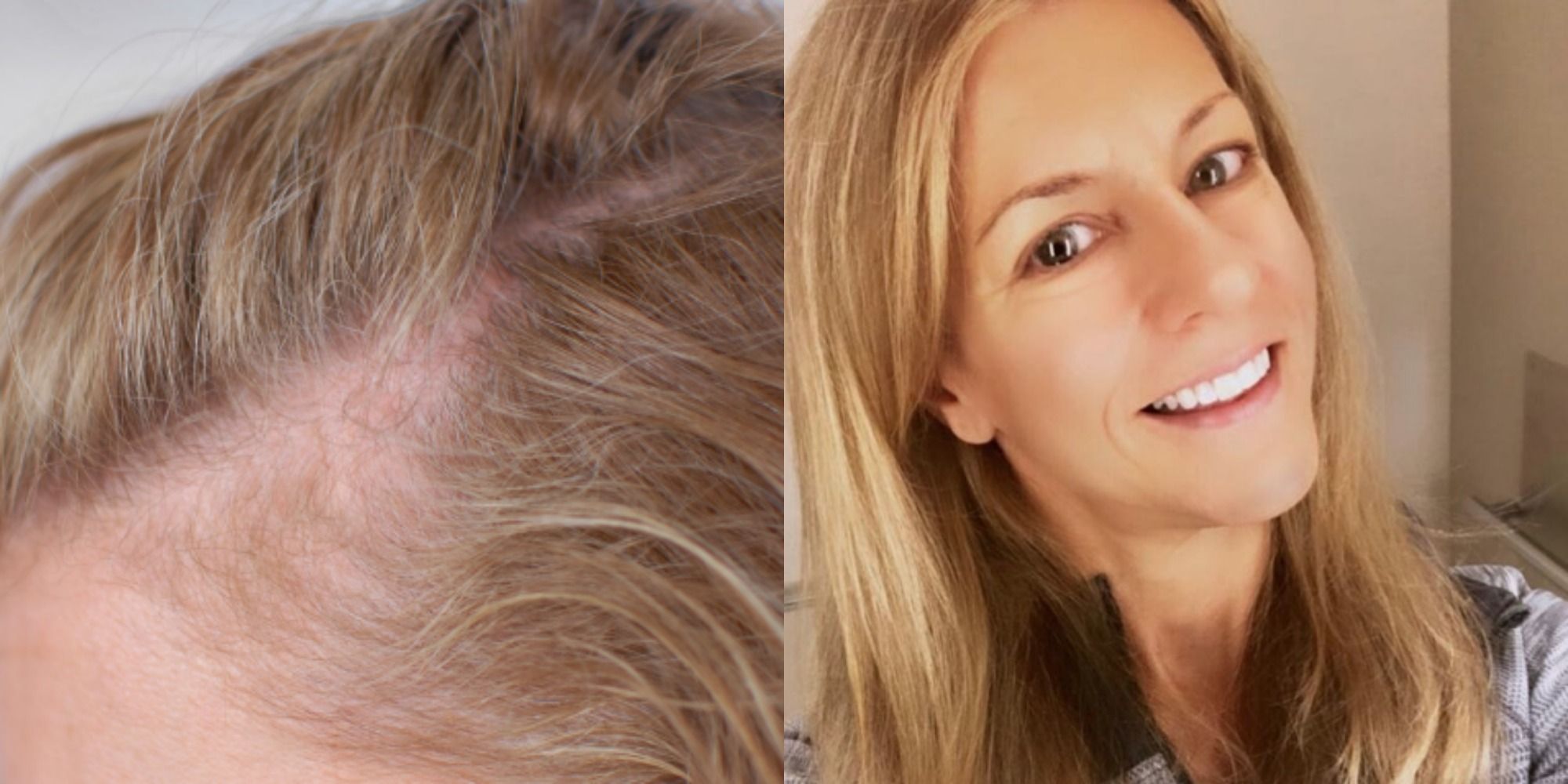
If you’re pregnant or plan to become pregnant, you shouldn’t use this medication due to the risk of birth defects. From dietary deficiencies to stress, hair loss in AFAB folks can have a number of causes. It's also important to address the psychological impact of hair loss.
Each patch of hair has one to several hairs (micrografts and minigrafts). Sometimes a larger strip of skin containing multiple hair groupings is taken. This procedure doesn't require hospitalization, but it is painful so you'll be given a sedation medicine to ease any discomfort.
Any information you can provide about how quickly the hair loss occurred, along with any family history of baldness, will also be helpful. Because so many things can cause hair loss, it’s best to schedule an appointment with a medical professional if you notice any changes in your hair. It’s also the most common cause of hair loss, affecting up to 50% of people. While it’s more prevalent in older adults, anyone can experience it, including children.
While research supporting the benefits of acupuncture remains limited, acupuncture is considered a fairly safe treatment when performed by a trained and licensed acupuncturist. Switching to a wide-toothed comb can also help prevent too much pulling at the roots. It only works for certain types of baldness, and only if you keep up with its application. A scalp infeciton can lead to scaly and sometimes inflamed areas on your scalp.
About half of all women will have hair loss at some point in life. Most start to notice it in their 50s or 60s, but it can happen at any age and for a variety of reasons. Whether you decide to take the OTC route or consult with a dermatologist, the AAD stresses that hair loss is complex and there’s no one-size-fits-all regimen.


No comments:
Post a Comment